



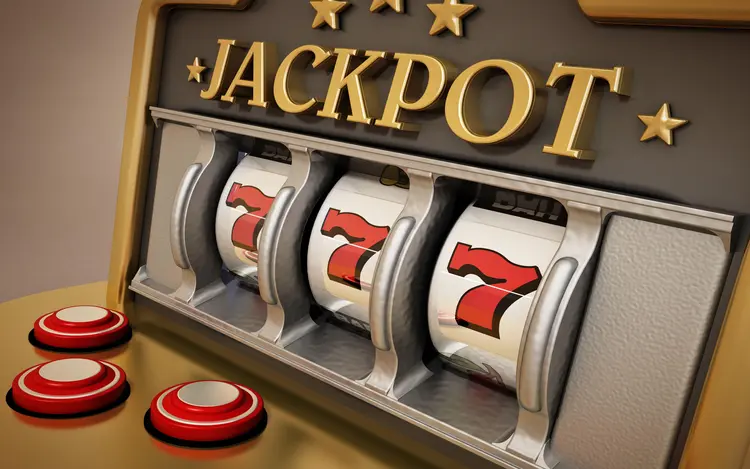
Slot machine design is a structured process that combines mathematics, visual presentation, and player interaction. While the end result appears simple on the surface, modern slot games are built using carefully balanced systems that define how often wins occur, how large they can be, and how gameplay unfolds over time.
Designing a slot is not about creating guaranteed outcomes. All results are determined by random systems, and wins are never assured. Instead, developers focus on shaping how the game behaves over long periods, ensuring consistency while also creating a format that is clear and engaging.
Understanding the key strategies behind slot machine design helps explain why different games feel distinct, even though they operate on the same fundamental principles.
The Foundation of Slot Design: Random Number Generators
Every slot machine is built around a Random Number Generator (RNG).
This system:
- Produces random sequences of numbers continuously
- Determines the position of symbols on each spin
- Ensures that each outcome is independent
The RNG forms the mathematical core of the game and defines how results are generated.
Return to Player and Game Balance
Return to Player (RTP) is a central design element.
It represents:
- The percentage of total wagers expected to be returned over time
- A long term statistical average
- The balance between player returns and house edge
Developers use RTP to define how a game performs over extended play.
Volatility and Win Distribution
Volatility, also known as variance, describes how wins are distributed.
This includes:
- Frequency of wins
- Size of payouts
- Variation between outcomes
High volatility games offer less frequent but potentially larger wins, while low volatility games provide more frequent but smaller payouts.
Payline and Reel Structures
The structure of reels and paylines shapes gameplay.
This involves:
- The number of reels used
- How paylines are arranged
- The combinations required for winning outcomes
Modern slots may use fixed paylines, ways to win systems, or cluster based formats.
Symbol Design and Value Hierarchy
Symbols are designed with a value hierarchy.
This includes:
- Low value symbols that appear more frequently
- High value symbols that appear less often
- Special symbols such as wilds and scatters
This hierarchy supports the mathematical structure of the game.
Bonus Features and Game Mechanics
Bonus features add variation to gameplay.
These may include:
- Free spins rounds
- Expanding or sticky symbols
- Multipliers or additional mechanics
While these features enhance the experience, they are still governed by the same underlying probabilities.
Hit Frequency and Player Perception
Hit frequency refers to how often a win occurs.
It is influenced by:
- Symbol distribution
- Payline structure
- Game volatility
Even small wins contribute to how a game feels during play.
Balancing Complexity and Accessibility
Designers aim to balance complexity with usability.
This means:
- Keeping rules clear and understandable
- Avoiding unnecessary complication
- Ensuring that new players can follow gameplay easily
Clarity is essential for accessibility.
Visual Design and User Interface
Visual elements are an important part of slot design.
This includes:
- Theme and graphical style
- Animation and transitions
- Layout and interface clarity
These features influence how the game is presented rather than how it functions.
Audio and Feedback Systems
Sound design contributes to the overall experience.
This involves:
- Background music
- Sound effects for wins or features
- Audio cues for gameplay events
Feedback systems reinforce interaction without affecting outcomes.
Integration of Gamification Elements
Modern slots often include gamified features.
These may involve:
- Progression systems
- Achievement based rewards
- Interactive bonus stages
These elements add structure beyond standard spins.
Mobile First Design Considerations
Many slots are designed for mobile platforms.
This requires:
- Responsive layouts
- Optimised performance
- Simplified controls
Mobile compatibility is a key part of modern development.
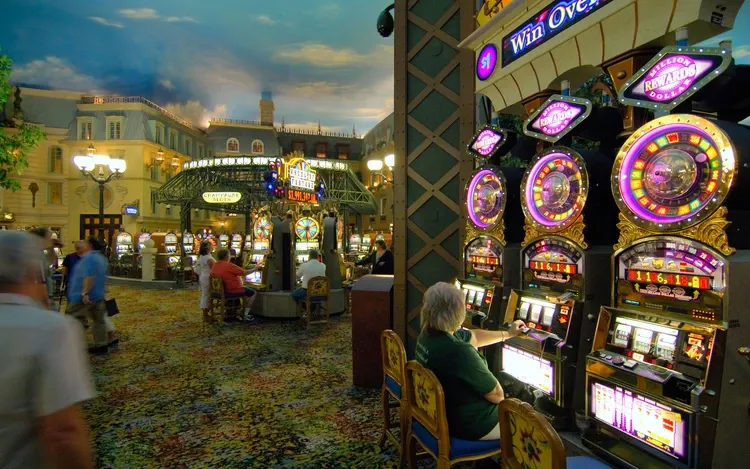
Outdoor Slot Machines
Testing and Optimisation
Before release, slot games are tested extensively.
This includes:
- Verifying mathematical models
- Checking game logic and functionality
- Ensuring consistency across platforms
Testing ensures that the game operates as intended.
Regulatory and Compliance Requirements
Slot design must meet regulatory standards.
This involves:
- Fairness testing through independent labs
- Transparency of RTP information
- Compliance with technical requirements
These rules ensure that games meet defined criteria.
Common Misconceptions About Slot Design
Some players assume:
- Designers can influence individual outcomes
- Features change the probability of results
- Games can be adjusted in real time
These assumptions are not accurate.
Slot outcomes are determined by fixed systems and random processes.
How Slot Design Shapes Player Experience
Slot machine design focuses on structuring how a game behaves over time rather than influencing individual results. By combining RNG systems, RTP calculations, volatility settings, and visual elements, developers create games that are consistent, clear, and varied in presentation.
Each design choice contributes to how the game feels during play, even though the underlying mechanics remain the same across all slots. Understanding these elements provides a clearer perspective on how slot machines are built and why different games offer different experiences.
Gambling Zone continues to explore how casino games are developed, helping you understand the mechanics behind slot design and how these systems operate in practice.
Frequently Asked Questions
What is slot machine design?
Slot machine design involves creating the mechanics, visuals, sound effects, and gameplay systems that shape the player experience.
Why are volatility and RTP important in slot design?
Volatility and RTP help determine how a slot behaves over time, including win frequency, payout potential, and overall gameplay balance.
How do bonus features affect slot games?
Bonus features increase engagement by adding variety, progression systems, multipliers, or additional win opportunities during gameplay.