




Early recognition of high-risk gambling behaviour is the most effective way to prevent harm. In the regulated market, operators, clinicians and public health bodies agree that timely identification, by the player themselves, friends and family, or the operator, enables swift intervention and support. This guide explains the concrete signs to look for, why early detection matters, and practical steps you can take if you or someone you know shows warning signs. At Gambling Zone we prioritise clear, authoritative advice so you can stay informed and stay in control.
Key Early-Warning Signs To Watch For
High-risk gambling patterns rarely emerge overnight. They develop through detectable changes in behaviour, finances and emotional state. The following indicators are commonly reported by UK support services and clinical research as reliable early warnings.
- Changes in betting frequency and session length. A marked increase in how often someone gambles or the length of sessions, especially late at night or during work hours, is a major red flag. Operators and studies note that sustained, prolonged sessions are associated with higher harm.
- Escalating stakes and chasing losses. When stakes rise sharply or the player repeatedly tries to recover losses by increasing bets, the behaviour shifts from recreational play to risk-driven play. Chasing losses is one of the strongest predictors of problem gambling.
- Financial strain and unusual money behaviours. Signs include borrowing money to gamble, using household funds for gambling, or frequently maxing out deposit limits. Sudden requests for cash or unexplained withdrawals from bank accounts can indicate out-of-control spending.
- Neglecting responsibilities. A decline in fulfilment of work, family or social commitments, missed deadlines, cancelled plans, or unexplained absences, suggests gambling is interfering with daily life. This behavioural shift often accompanies rising risk.
- Emotional changes and secrecy. Increased irritability, anxiety, defensiveness about gambling, or attempts to hide activity (clearing browser history, using alternate accounts) are common warning signs. Emotional responses such as guilt or preoccupation with gambling also deserve attention.
- Reliance on high-risk products. Frequent use of fast-play formats (certain online slots), in-play sports betting or gambling during intoxication raises risk. Recent research and regulatory reviews identify particular products and contexts as higher risk for harm.
Why Early Spotting Matters, And What To Do Next
Detecting risky patterns at an early stage significantly increases the options available for effective action. Interventions can be simple and non-punitive, setting deposit and time limits, applying reality checks, or taking a short cool-off, yet they markedly reduce short-term harm and lower the chance of escalation. Identifying and acting on customers at risk reinforces the importance of early action.
Practical first steps you can take:
- Use objective tools. Complete a validated self-assessment quiz (for example, PGSI-based screens) to get an immediate, structured indication of risk. These tools are confidential and widely available via reputable charities and operator safer-gambling pages.
- Activate account protections. Set or reduce deposit limits, enable session time limits, and turn on reality checks. These controls prevent immediate escalation and are available in the account settings of licensed casinos.
- Use short cool-offs. A deliberate break of 24 - 30 days can interrupt impulsive cycles and create space to reflect. Cool-offs are quick to activate and reversible, making them a practical early response.
Seek confidential support. If signs persist or you score in the moderate or high-risk range on a self-assessment, contact specialist services such as GamCare or GamAware for free, confidential guidance and treatment options. Early professional advice improves outcomes.
How Friends, Family, and Operators Can Help
How Friends, Family, and Operators Can Help
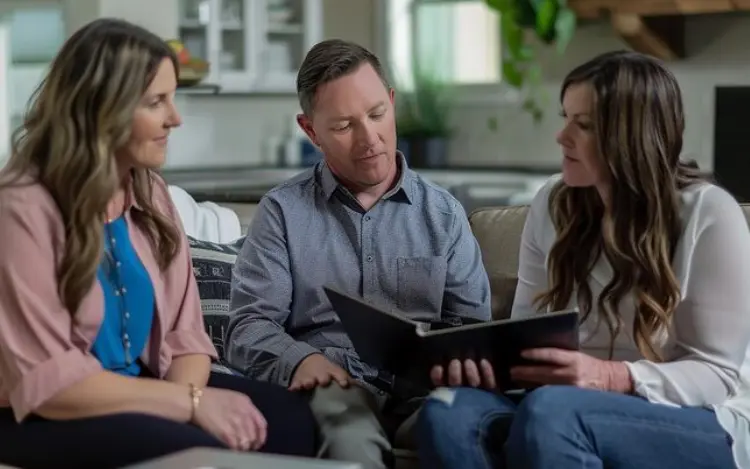
Friends and family are often the first to notice changes. Approach conversations calmly, focus on observed behaviours (not moral judgements), and encourage practical steps like limits or an assessment. Operators are also responsible for monitoring accounts and must intervene where risk is detected, this may include manual account reviews, temporary restrictions, or outreach from safer-gambling teams. The regulatory framework in the UK strengthens these responsibilities and expects timely operator action.
Operators and regulators still face challenges; research and recent studies indicate rising levels of gambling harm in some cohorts, particularly among users of high-risk products. This context makes personal vigilance more important than ever. If you suspect someone is at immediate risk, for example, if they mention self-harm or are in an acute financial crisis, contact emergency or specialist services without delay.
Providing Positive Support Goes A Long Way
Early recognition and decisive action keep gambling a controlled and enjoyable activity. By knowing the warning signs, using practical account tools, and seeking support when needed, you can reduce risk and protect wellbeing. Gambling Zone recommends combining self-monitoring with the safer-gambling features offered by licensed UK operators, because staying informed is the first step to staying ahead of the game.