


Poker is a game of logic, luck and nerve. Every hand tells a story, and sometimes, the simplest story wins. That brings us to one of the most basic yet misunderstood poker hands: one pair.
It might not sound glamorous, but one pair has probably made or broken more bankrolls than any royal flush. Let’s explore what it really means, how it ranks, and when you should play it cool or fold it fast.
The Basics: What Is One Pair?
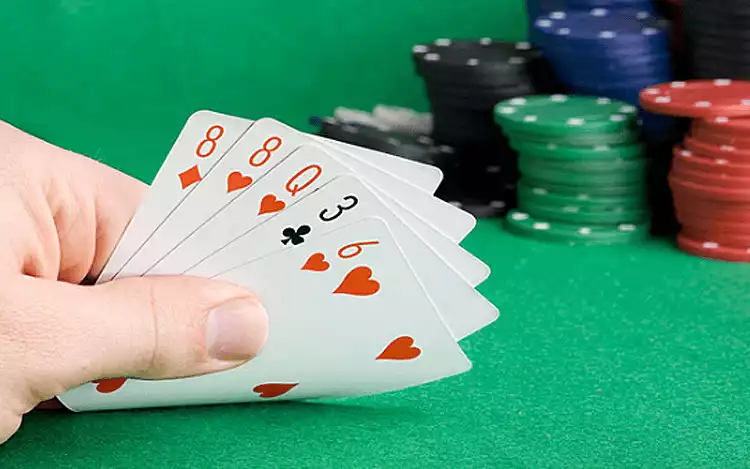
One pair in poker is exactly what it sounds like. You have two cards of the same rank, plus three other unpaired cards.
For example, if you hold 8♦ 8♠ K♣ 10♥ 4♠, your pair of eights is the hand’s foundation. The rest are called kickers. They matter more than most beginners realise, and we will get to that shortly.
One pair is one of the lowest-ranked hands in poker, sitting just above high card. Yet, it appears far more often than any full house or straight. That makes it crucial to understand.
RedKings Casino Offer
Advertiser Disclosure: At Gambling Zone, we may earn a referral commission if you sign up through links on our site. This helps support our work and does not influence our independent reviews or ratings. Learn more about our review criteria.
The Poker Hand Rankings Refresher
Before diving deeper, let’s place one pair in the big picture of poker rankings. From strongest to weakest, the hierarchy goes:
- Royal Flush
- Straight Flush
- Four of a Kind
- Full House
- Flush
- Straight
- Three of a Kind
- Two Pair
- One Pair
- High Card
So, one pair is near the bottom. But in a game where most hands miss the board entirely, even a humble pair can win pots.
Examples of One Pair Hands
To understand it better, let’s look at a few examples:
- Q♠ Q♥ 7♣ 5♦ 2♦ – One pair of Queens. Strong if the board is low.
- 5♣ 5♦ A♠ 9♥ 6♣ – One pair of Fives. Weak unless your opponents are bluffing.
- K♣ K♦ 10♠ 9♠ 4♦ – One pair of Kings. Solid and worth a raise in most cases.
The strength of your pair depends not just on the rank but on the situation. A pair of twos will rarely win on a board with face cards. A pair of aces, though, often commands respect.
The Role of Kickers
Kickers decide who wins when two players share the same pair. If both have a pair of nines, the player with the highest unpaired card wins.
Imagine Player A holds 9♠ 9♣ A♦ 7♥ 3♠, and Player B has 9♦ 9♥ K♣ J♦ 4♥. Player A wins because the Ace kicker beats the King.
Kickers are like tiebreakers, subtle but decisive. Ignore them at your peril.
How to Play a One Pair Hand
The key to handling one pair lies in understanding context. The value of one pair changes dramatically depending on the board, the betting, and the players involved.
1. Assess the Board
If the community cards show A♠ K♦ Q♣ 8♥ 3♠, your pair of tens suddenly looks feeble. But if the board reads 9♦ 6♣ 4♠ 2♥ J♣, the same pair becomes powerful.
Always ask: could someone have something better? Pairs are fragile. The higher the pair, the safer you are, but never invincible.
2. Control the Pot
One pair hands should rarely play for massive pots. They are strong enough to win small to medium ones but crumble against big aggression.
A good tactic is to keep the pot manageable. Bet for value, not ego. If the betting heats up, and you only have one pair, folding can save you more than any hero call ever will.
3. Read the Opponents
Poker is not just cards; it is character. Watch how your opponents behave. If a tight player suddenly shoves all-in after the turn, chances are your pair is no good.
But if a known bluffer raises light, your one pair could still be golden. Context turns knowledge into profit.
Common Mistakes With One Pair
Beginners often overplay one pair. They see two matching numbers and get attached. The trouble is, one pair rarely stands up against strong post-flop action.
Another mistake is ignoring the board texture. When the community cards connect (like 10♦ J♣ Q♠), one pair becomes vulnerable. Straights and flushes lurk everywhere.
And let’s not forget the kicker issue. Losing to a better kicker is the poker equivalent of tripping over your own feet. It stings because you almost had it.
Bluffing and One Pair
Bluffing and One Pair
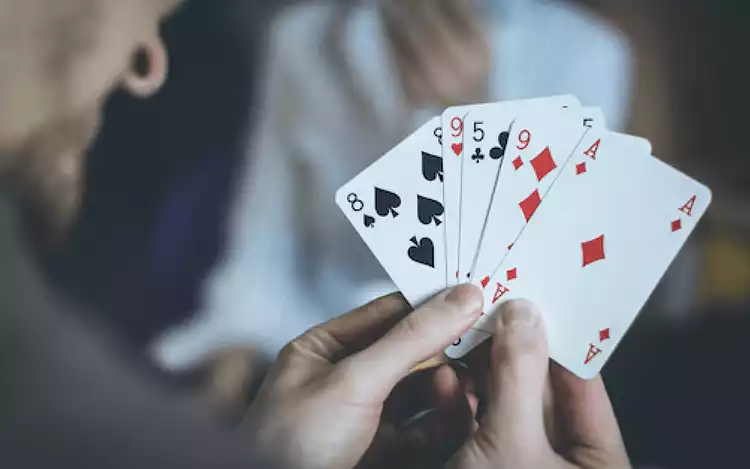
You can bluff with one pair, but timing matters. A small, controlled bluff can protect your hand and mask its weakness. Overdo it, and you are lighting chips on fire.
Remember, one pair looks stronger when your opponent’s range is wide. But in tight games, it is often better to check or fold than to force action.
When One Pair Wins Big
Not all one pairs are born equal. A pair of aces or kings can dominate entire tables, especially in heads-up play.
In tournaments, late-stage dynamics can make even a pair of sevens a monster hand. Stack sizes, blinds, and player tendencies all shift the math.
That is why studying your opponents is as important as studying the cards. Knowing when to push and when to pause is the mark of a seasoned player.
Comparing Online and Live Play
In online poker, you face hundreds of hands per hour. You will see one pair constantly. Fast-paced digital play demands quick judgement. Patterns emerge faster.
In live games, tempo slows down. Reading body language and timing becomes vital. That slight hesitation, that deep breath, might signal a weak pair pretending to be strong.
Whether online or in-person, the principle stays the same. Evaluate every hand on merit, not emotion.
A Quick Note on Variants
One pair behaves differently in various poker formats.
- Texas Hold’em: Common but context-dependent.
- Omaha: Much weaker, since players have four hole cards.
- Stud Poker: Easier to read, since some cards are visible.
In each game, knowing how one pair fits into the overall structure is vital.
Learning and Improving
If you are keen to master one pair play, practice is key. Study hand histories, analyse mistakes, and learn from seasoned players. Many resources and communities around the best poker sites offer detailed guides, hand calculators and live-stream discussions.
Poker rewards curiosity. The more you study, the more confident your decisions become.
One pair might seem modest, but it teaches essential poker skills: patience, discipline and reading the table. Treat it with respect, and it will reward you. Overestimate it, and it will drain you faster than a leaky chip stack.
In poker, sometimes the quiet hands carry the loudest lessons. So next time you look down and see two matching cards, smile. You have got a hand worth playing. Just remember, it is not about what you hold, but how you hold it.