



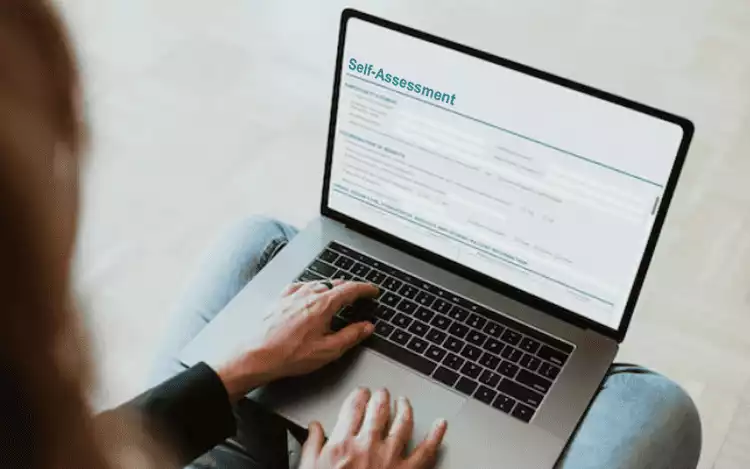
Gambling should be an enjoyable form of entertainment, not a source of harm. In the regulated online casino market, a range of responsible gambling tools are designed to help players stay in control. Among these, self-assessment tests play a crucial role in helping you evaluate your own behaviour and identify early signs of risk. By understanding how these assessments work and when to use them, you can make more informed choices about your play and act proactively if your gambling habits shift.
Self-assessment tests are not diagnostic tools, but they provide a structured way to reflect on your gambling patterns. Used responsibly, they can help you recognise behaviour that may require limits, support, or further action. At Gambling Zone, we emphasise player empowerment and responsible play. We recommend using self-assessment tests alongside other tools such as deposit limits, time controls and self-exclusion options to ensure that gambling remains under your control rather than becoming a source of financial or emotional stress.
What Are Self-Assessment Tests and How Do They Work
Self-assessment tests are structured questionnaires that ask you a series of questions about your gambling behaviour. The goal is to help you reflect on your habits and consider whether those habits might be putting you at risk. These tools are often based on research-validated models such as the Problem Gambling Severity Index (PGSI) or similar frameworks that measure risk levels from low to high.
In the UK, a number of organisations and licensed operators make self-assessment quizzes available on their safer gambling pages. These tests typically include questions about spending, chasing losses, time spent gambling, and the emotional impact of gambling. For example, a common question might ask how often you have bet more than you could afford to lose over the past 12 months.
Responses to these questions are aggregated to provide a risk indication, such as low risk, moderate risk, or high risk. The assessment does not provide a diagnosis but offers clear feedback and guidance on what next steps could be appropriate. These steps may include setting limits, reviewing your gambling budget, seeking support or, where necessary, using tools like self-exclusion schemes or professional counselling services.
The Gambling Commission expects licensed operators to provide players with access to safer gambling information, including tools that help control gambling activity and reduce harm. This includes promoting self-assessment tools and making information on how to access help readily available.
A self-assessment quiz may be built into a casino’s responsible gaming section or provided by a reputable third party such as a charity offering gambling support services. The key is that the tool should be easy to use, confidential and informative, giving you clear insight into your behaviour without judgement.
Why Self-Assessment Is Important for Responsible Gambling
Self-assessment tests fill an important gap in the suite of safer gambling tools. While deposit limits and time controls help you manage observable behaviour such as spending and time played, self-assessment focuses on your relationship with gambling and its impact on your life.
Many players make valid assumptions about their behaviour, for example, believing that they have complete control or assuming that occasional losses are harmless. A self-assessment test challenges these assumptions by providing objective feedback based on your own responses. This feedback can reveal patterns that may not be obvious at the moment, such as chasing losses, increasing bet sizes over time, or gambling at times when you feel stressed or distracted.
Self-assessment also encourages self-reflection. By answering questions honestly, you gain insight into how gambling fits into your wider life. For some players, recognising that gambling takes up more time or money than intended is enough to prompt voluntary changes, such as setting stricter limits or taking a break. For others, it can be a first step in seeking support before behaviour escalates.
Moreover, research and regulatory guidance emphasise that early interaction with safer gambling tools can help prevent harm from developing. A self-assessment test can act as an early warning signal that prompts you to explore other responsible gambling tools or support services before risk increases. This proactive engagement reflects a commitment to maintaining control rather than waiting until problems become severe.
How to Use Self-Assessment Tools Effectively
How to Use Self-Assessment Tools Effectively
To make the most of self-assessment tests, approach them as a regular check-in rather than a one-time exercise. Taking a quiz once can provide valuable insight, but habits and circumstances change over time. Regular self-assessment helps you stay aware of any shifts in your behaviour and can highlight trends that might otherwise go unnoticed.
When completing a test:
- Answer honestly. The accuracy of the feedback depends on how truthfully you respond. Over-optimistic answers may mask areas of concern, while honest responses provide meaningful insight.
- Reflect on your results. Use the feedback as an opportunity to think about your recent gambling behaviour over time rather than focusing solely on isolated losses or wins.
- Follow the recommended next steps. If the tool suggests you may be at moderate or high risk, consider enhancing your use of safer gambling tools such as deposit or loss limits, session time controls, or a temporary break from play.
In addition to operator-provided tests, you can use independent tools offered by recognised support organisations. For example, GamCare and other UK charities offer confidential assessment tools that provide tailored recommendations based on your responses.
If your assessment suggests you may be at risk, do not hesitate to use more formal tools such as self-exclusion via schemes like GAMSTOP, which allow you to block access to all licensed online casinos for a chosen period. It is not a failure to use these tools, it is a responsible and proactive choice that protects your wellbeing.
Finally, speaking with a professional support service can provide additional context and coping strategies. Organisations such as GamCare offer confidential advice and can help you interpret your assessment results and plan next steps.
Reducing Risks Can Lead To A More Positive Gaming Experience
Self-assessment tests are a powerful tool for evaluating your risk level and understanding how gambling fits into your life. By using them honestly and regularly, you can detect early signs of concern and take proactive steps to maintain control.
Gambling Zone is your trusted guide to safer gambling practices, helping you choose licensed casinos that offer robust responsible gambling tools and clear guidance. We encourage every player to use self-assessment tests as part of their responsible gambling strategy, because staying informed and aware ensures that gambling remains a source of entertainment, not harm.