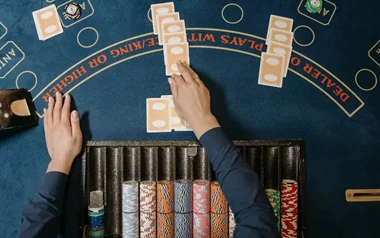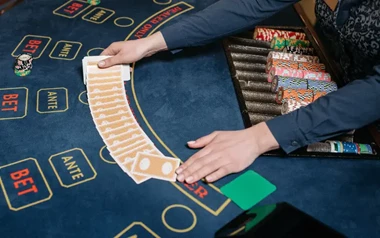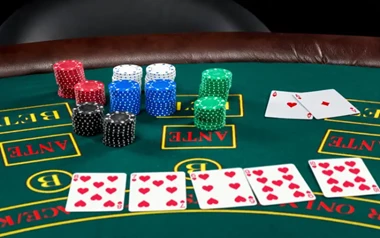



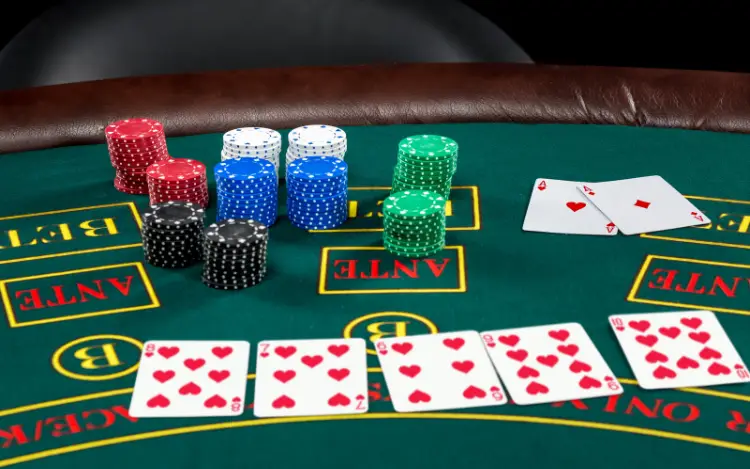

A squeeze play in poker is a preflop raise made after one player has opened the pot, and at least one other player has called. The player making the squeeze is trying to put pressure on both opponents and potentially win the pot without seeing a flop.
The strategy is most commonly discussed in no-limit Texas Hold'em, where the size of a raise can put significant pressure on players with weaker hands.
How Does a Squeeze Play Work?
A typical squeeze play involves three stages:
- One player raises before the flop.
- Another player calls the raise.
- A later player makes a larger re-raise.
The third player is the "squeezer." The raise is designed to put the original raiser and caller in a difficult decision.
For example, imagine a cash-game player raises before the flop and another player calls. You are in a later position with a suitable hand and decide to make a substantial re-raise.
Both opponents must now decide whether to continue, call or fold.
Why Is It Called a Squeeze Play?
The term comes from the pressure placed on the players caught between the initial raise and the re-raise.
The original raiser has already shown interest in the pot, while the caller has also committed chips without making a re-raise. A sufficiently strong three-bet can force both players to reconsider whether their hands are strong enough to continue.
The aim is to "squeeze" the weaker holdings out of the pot.
When Should You Consider a Squeeze Play?

When Should You Consider a Squeeze Play
A squeeze play is generally more attractive when several conditions point in the same direction.
The Initial Raise Is Relatively Wide
If the opening player raises with a broad range of hands, they may have more holdings that cannot comfortably respond to a large re-raise.
This can create an opportunity for the squeezer to apply pressure.
The Caller Is Likely to Fold
The strategy becomes less appealing if the caller frequently continues against three-bets.
A player who calls the initial raise with strong hands or regularly refuses to fold can make the squeeze considerably more difficult.
You Have a Strong Position
Position matters because acting later provides more information about what opponents have done.
A squeeze from a late position can therefore be more practical than attempting the same move from an earlier position, although the specific situation always matters.
What Can Go Wrong With a Squeeze Play?
The biggest risk is assuming that opponents will fold when they actually have strong hands.
The initial raiser may have a premium holding, while the caller may have called with a hand strong enough to continue against the re-raise. If either player responds aggressively, the squeezer can quickly face a difficult decision.
Another risk is using the strategy too frequently. If opponents recognise that a player is squeezing with a wide range, they may adjust by calling or re-raising more often.
Squeeze Play vs Standard Three-Bet

Squeeze Play vs Standard Three-Bet
A squeeze play is a type of preflop re-raise, but the defining feature is that there is at least one caller between the initial raise and the re-raise.
A standard three-bet can occur after a single opening raise with no caller in between.
The additional caller is what creates the squeezing situation and gives the strategy its name.
What Is a Squeeze Play in Poker? Final Thoughts
A squeeze play is a preflop strategy that uses a re-raise to put pressure on an initial raiser and one or more callers.
It can be effective when opponents have wide ranges, the caller is capable of folding and the stack sizes allow meaningful pressure. But it is not an automatic winning move.
Good poker decisions depend on the specific situation, including position, hand strength, player tendencies and betting patterns. Players should also remember that poker involves financial risk and should only be played with money they can afford to lose.
Frequently Asked Questions
What is a squeeze play in poker?
A squeeze play is a preflop re-raise made after one player has raised and at least one other player has called. The goal is to put pressure on both players.
Is a squeeze play always a bluff?
No. A squeeze can be made with a strong hand for value or as a bluff, depending on the situation and the player's assessment of opponents' ranges.
When is a squeeze play most effective?
It can be effective when the original raiser has a wide range, the caller is likely to fold, and the squeezer has a suitable position and stack size.
How is a squeeze play different from a three-bet?
A squeeze is a type of three-bet that occurs after an initial raise and at least one call. A standard three-bet can occur directly after an opening raise.
Can a squeeze play fail?
Yes. If one or both opponents hold strong hands or are willing to continue against the re-raise, the squeezer can face a difficult decision and potentially lose a significant portion of their stack.