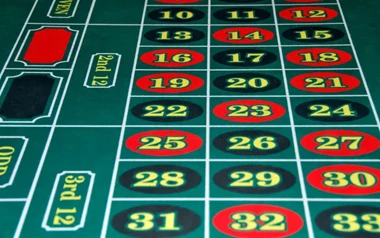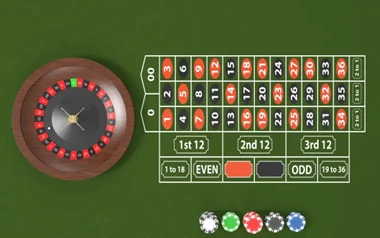




Chasing losses is one of the most widely discussed behaviours in gambling. It refers to the tendency to continue playing in an attempt to recover previous losses, often leading to further losses rather than recovery.
This behaviour is closely linked to a psychological concept known as the gambler’s fallacy. Understanding this concept helps explain why people make certain decisions during gameplay, even when outcomes are based entirely on chance.
This guide explores why loss chasing happens, how the gambler’s fallacy influences thinking, and what it means in practical terms.
What Does Chasing Losses Mean?
Chasing losses occurs when a player continues to gamble with the intention of recovering money that has already been lost.
This can involve:
- Increasing bet sizes after losses
- Extending play sessions beyond original plans
- Continuing to play despite diminishing returns
The key characteristic is the focus on recovering previous outcomes rather than making independent decisions.
What Is the Gambler’s Fallacy?
The gambler’s fallacy is the belief that past outcomes influence future results in games of chance.
For example:
- Assuming a win is more likely after a series of losses
- Believing that results will “even out” in the short term
- Expecting patterns in random sequences
In reality, each outcome is independent and not affected by previous results. This means that no matter what has happened before, the probability of the next result remains the same.
The gambler’s fallacy often occurs because people naturally look for patterns, even in random events. In games like roulette or slots, this can lead to incorrect assumptions about what will happen next.
Understanding this concept is important because it helps prevent decisions based on false logic. Recognising that outcomes are random allows players to approach games more objectively and avoid unnecessary risk driven by mistaken beliefs.
Why Outcomes in Gambling Are Independent
Most casino games operate on random systems.
This means:
- Each spin, hand or round is independent
- Previous outcomes do not influence future ones
- Probabilities remain constant over time
Understanding this is essential for recognising why the gambler’s fallacy occurs.
Why People Believe in Patterns
Humans naturally look for patterns.
This can lead to:
- Seeing trends in random outcomes
- Interpreting sequences as meaningful
- Expecting balance after streaks
This tendency can make it difficult to accept that outcomes are random.

Psychological Triggers Behind Chasing Losses
Emotional Factors Behind Loss Chasing
Loss chasing is not only about logic.
Emotional responses also play a role.
These may include:
- Frustration after losses
- Desire to recover quickly
- Difficulty accepting negative outcomes
These factors can influence decision making during gameplay.
The Illusion of Control
Another factor is the illusion of control.
This occurs when players believe:
- Their actions can influence outcomes
- Timing or strategy can change results
- They can predict or control randomness
In chance based games, this perception is not accurate.
How Loss Chasing Develops
Loss chasing often develops gradually.
It may start with:
- A small attempt to recover losses
- Increasing stakes over time
- Extending sessions beyond initial limits
This progression can happen without a clear point where behaviour changes.
The Role of Short Term Thinking
Short term thinking can contribute to loss chasing.
This involves:
- Focusing on immediate outcomes
- Ignoring long term probabilities
- Expecting quick recovery
This approach can lead to decisions that do not reflect how games actually work.
Why Recovery Is Not Guaranteed
Recovering losses is not predictable.
This is because:
- Outcomes are based on chance
- Each result is independent
- There is no mechanism to “balance” previous losses
This makes attempts to recover losses uncertain.
Common Misconceptions About Losing Streaks
Some players believe:
- A win is due after a losing streak
- Results will correct themselves quickly
- Increasing bets improves chances
These beliefs are linked to the gambler’s fallacy and do not reflect how probability works.
Gambling Zone’s Commitment to Responsible Play
Recognising Loss Chasing Behaviour
Being aware of certain patterns can help identify loss chasing.
These may include:
- Changing bet sizes after losses
- Playing longer than intended
- Making decisions based on previous outcomes
Recognising these patterns is the first step in understanding the behaviour.
Understanding the Difference Between Chance and Expectation
A key concept is the difference between expectation and outcome.
Expectation:
- Reflects long term probabilities
- Is based on mathematical models
Outcome:
- Is the result of a single event
- Can vary widely in the short term
This difference explains why short term results can feel unpredictable.
Why Awareness of the Gambler’s Fallacy Matters
Understanding the gambler’s fallacy helps clarify how decisions are influenced by incorrect assumptions about randomness.
By recognising that each outcome is independent, it becomes easier to separate expectation from reality. This helps create a clearer perspective on how gambling outcomes actually work and why attempts to recover losses are not based on predictable patterns.
Developing this awareness allows for more informed decision making and reduces the influence of misleading assumptions about probability.
Gambling Zone continues to explore the psychological and mathematical aspects of gambling, helping you understand how behaviour and perception interact with game mechanics in real scenarios.
Frequently Asked Questions
What is the gambler’s fallacy?
It is the belief that past outcomes affect future results in random events.
Why do people chase losses?
Due to a combination of emotional responses and misunderstanding probability.
Can losses be recovered by continuing to play?
There is no guarantee, as outcomes are based on chance.
How can I recognise loss chasing?
By noticing changes in behaviour, such as increasing bets or extending sessions.