
Online casinos use multiple payment processors to support different payment methods, improve transaction reliability and serve players across different regions. Rather than relying on a single provider, an operator can connect to several services to handle card payments, bank transfers, e-wallets and other available options.
Each processor has its own technical capabilities, supported countries, fees and transaction rules. Using several providers gives a casino more flexibility when accepting deposits and processing withdrawals, although it does not guarantee that every payment will succeed or arrive faster.
Understanding how these systems work helps explain why payment options can vary between casinos and why one method may be available when another is temporarily unavailable.
What Is a Payment Processor?
A payment processor is a service that helps businesses accept and process electronic payments. In an online casino, it can help transmit payment information, communicate with financial institutions and return transaction statuses to the operator.
The exact arrangement depends on the payment method. A card transaction, for example, may involve the casino's payment service provider, a payment gateway, the card network and the issuing bank. A bank transfer or e-wallet payment follows a different route.
1. To Offer More Payment Methods
To Offer More Payment Methods
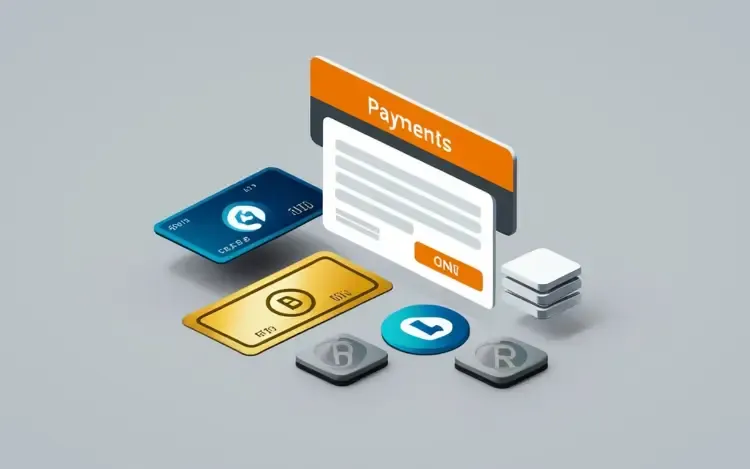
One of the main reasons casinos work with multiple processors is to provide a wider range of payment options.
Different processors support different payment methods. One may specialise in card payments, while another supports bank transfers, digital wallets or local payment services.
Using multiple providers can help an operator offer a combination of methods suited to its customers and markets.
These may include:
- Debit cards.
- Bank transfers and open banking payments.
- E-wallets.
- Prepaid payment methods.
- Other locally supported payment services.
Not every method will be available to every player. Availability depends on factors such as the casino's arrangements, the player's location, account status and the rules governing the payment service.
2. To Reduce Dependence on a Single Provider
Relying on one processor can create operational risks. If that provider experiences an outage, technical problem or service interruption, the casino may be unable to accept certain payments until the issue is resolved.
Working with multiple processors can provide alternatives, provided those services support the relevant payment method and transaction.
Having several providers can reduce reliance on a single service, but it cannot eliminate all payment disruptions.
3. To Improve Payment Approval Rates
Not every payment request is approved. A transaction may be declined by the issuing bank, rejected by a payment service or stopped by a security check.
Different processors may have different technical capabilities, banking relationships, fraud-detection systems and supported transaction routes. These differences can affect whether a payment is successfully processed.
A casino may use more than one provider to support transactions from different banks, payment methods or regions.
Repeatedly submitting the same declined payment is not a reliable solution. Players should check the reason for the decline and contact their bank or payment provider if necessary.
4. To Support Players in Different Countries

To Support Players in Different Countries
Payment services do not all operate in the same markets. Some support particular currencies, countries or local banking systems, while others focus on international transactions.
An online casino serving more than one jurisdiction may therefore need different processors to handle the payment methods available in each market.
Using several processors helps an operator manage these differences, but it does not make a casino or payment method lawful in every country. The operator must still comply with the rules that apply to its service.
5. To Manage Deposits and Withdrawals Separately
Deposits and withdrawals do not always follow identical routes.
A processor that supports deposits may not support withdrawals, or it may offer different withdrawal capabilities depending on the payment method and market. Some casinos also use separate systems for incoming and outgoing transactions.
This means an operator may work with one provider to accept certain payments and another to send withdrawals.
Withdrawal processing can involve additional checks, such as verifying account ownership, reviewing transaction history or confirming that the requested payment method is eligible.
6. To Manage Costs and Technical Requirements
Payment processors charge for their services under different commercial arrangements. Fees can vary according to payment method, transaction volume, currency, region and other factors.
Casinos may compare providers to understand which services fit their operational needs and costs. They also need to consider technical requirements, reporting tools, settlement arrangements and the support available when problems occur.
Maintaining multiple integrations can involve additional complexity. Each connection may require configuration, testing, monitoring and ongoing maintenance.
Operators therefore need to balance the benefits of having several providers against the costs and work involved in managing them.
The cheapest processor is not necessarily the most suitable. Reliability, coverage, security and compatibility with the casino's systems also matter.
Final Thoughts
Online casinos use multiple payment processors to support different payment methods, serve various markets and reduce dependence on a single service. Multiple providers can also help operators manage transaction routing and meet different technical requirements.
However, this approach does not guarantee successful payments, instant withdrawals or lower fees for players. Each transaction still depends on the payment method, provider, casino's procedures and relevant financial institutions.
For more information about online casino payments and multiple payment processors, visit Gambling Zone.
Frequently Asked Questions
Why does an online casino have several payment processors?
Casinos use multiple processors to offer more payment methods, support different regions, reduce dependence on one provider and manage deposits and withdrawals across different payment systems.
Can a casino switch to another processor if a payment fails?
Sometimes. An alternative processor may be available, but it must support the payment method, market and transaction involved. A failed payment is not always suitable for automatic rerouting.
Do multiple payment processors make withdrawals faster?
Not necessarily. Withdrawal speed depends on the casino's checks, the payment method, the processor and the receiving bank or financial service. Having multiple providers does not guarantee faster processing.
Why can I use a payment method to deposit but not withdraw?
Some processors or payment methods support incoming payments but not outgoing transfers. The casino may also apply withdrawal rules or require funds to be returned through an eligible payment method.