




Gambling has been part of British culture for centuries, evolving alongside social, economic, and technological changes across the country. From informal betting activities in early communities to modern online casino platforms regulated through national legislation, the gambling industry in the UK has undergone major transformation over time.
The history of gambling in Britain reflects broader developments in entertainment, commerce, and regulation. Different eras introduced new forms of wagering, while governments gradually implemented legal frameworks designed to control and oversee gambling activities.
Understanding the history of gambling in the UK provides useful context for how the modern industry developed and why current gambling systems operate as they do today.
Early Gambling in Britain
Forms of gambling existed in Britain long before modern casinos and betting shops appeared.
Early activities included:
- Dice games
- Card games
- Informal betting on competitions and events
These activities were often connected to fairs, taverns, and social gatherings.
Gambling in Medieval England
During the medieval period, gambling became increasingly common among different social classes.
Popular activities included:
- Wagering on games of chance
- Betting on sporting contests
- Card and dice based games
Authorities occasionally attempted to restrict gambling because of concerns relating to public behaviour and military readiness.
The Rise of Horse Racing and Betting
Horse racing played a major role in shaping British gambling culture.
By the 17th and 18th centuries:
- Organised horse racing events expanded
- Betting became more structured
- Wealthy landowners and aristocrats participated heavily in wagering activities
Horse racing remains closely linked to British gambling history today.
Gaming Houses in the 18th Century
The 18th century saw the rise of gaming houses in cities such as London.
These venues offered:
- Card games
- Dice based gambling
- Social gathering spaces for wealthy players
Some gaming houses operated legally, while others functioned in less regulated conditions.
Government Concerns and Early Regulation
As gambling activity expanded, authorities began introducing legal restrictions.
Early concerns included:
- Fraud and cheating
- Public disorder
- Excessive gambling among lower income groups
Several laws attempted to regulate or restrict gambling during this period.
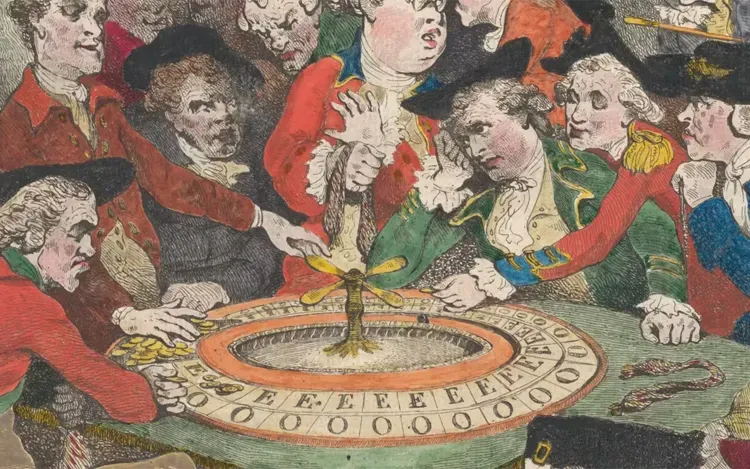
Of Bookies and Betting Slips The 18th and 19th Centuries
The Growth of Betting Shops
In the 20th century, betting shops became a major part of British gambling culture.
This expansion was influenced by:
- Legal changes surrounding off track betting
- Increased public demand for sports wagering
- Growth in horse racing and football betting markets
Betting shops became common across towns and cities.
The Betting and Gaming Act 1960
One of the most important moments in UK gambling history was the Betting and Gaming Act 1960.
This legislation:
- Legalised betting shops
- Regulated commercial gambling activities
- Reshaped the gambling industry significantly
The law created a more structured and visible gambling environment.
The Expansion of Casinos
Casinos became more established in Britain during the second half of the 20th century.
These venues introduced:
- Table games such as blackjack and roulette
- Slot style gaming machines
- Membership based casino systems under regulation
Casino regulation gradually expanded over time.
The National Lottery and Public Gambling
The launch of the National Lottery in 1994 marked another major development.
It introduced:
- Nationwide lottery participation
- Government regulated draw systems
- Large scale public engagement with gambling products
Lottery gambling became widely integrated into British culture.
The Rise of Online Gambling
The internet transformed the gambling industry dramatically.
Online platforms introduced:
- Digital casino games
- Sports betting websites
- Mobile gambling apps
- International gambling operators entering the UK market
Accessibility increased significantly during this period.

Modern Stakes The 21st Century and Beyond
The Gambling Act of 2005
The Gambling Act 2005 remains one of the most important modern gambling laws in the UK.
The legislation established:
- The UK Gambling Commission
- A modern licensing framework
- Rules for online gambling regulation
- Standards relating to fairness and responsible gambling
This law continues to shape the current industry.
Mobile Gambling and Technological Change
The development of smartphones further changed gambling habits.
Mobile technology allowed:
- Gambling through apps and mobile websites
- Faster access to betting markets and casino games
- Continuous platform availability
Technology remains a major influence on gambling behaviour today.
Responsible Gambling and Modern Regulation
Modern UK gambling regulation places increasing emphasis on responsible gambling measures.
These include:
- Deposit limits and self exclusion tools
- Advertising restrictions
- Age verification requirements
- Monitoring of gambling related harm concerns
Regulation continues to evolve alongside industry growth.
How Gambling Became Part of British Culture
Gambling developed alongside British social and economic history through horse racing, betting shops, gaming houses, lotteries, casinos, and eventually digital platforms. Each stage introduced new forms of wagering while also increasing the role of regulation and public oversight.
Today’s online casinos and betting systems are the result of centuries of legal, technological, and cultural development. Understanding this history provides important context for how the modern gambling industry operates within the UK today.
Gambling Zone continues to explore the evolution of gambling culture, regulation, and technology, helping you understand how historical developments shaped the modern casino and betting landscape in Britain.
Frequently Asked Questions
When did gambling first become popular in the UK?
Gambling has existed in the UK for centuries, with organised betting and gaming activities becoming increasingly popular during the 18th and 19th centuries.
What was the Gambling Act 2005?
The Gambling Act 2005 established the modern regulatory framework for gambling in Great Britain and created the UK Gambling Commission.
How has online gambling changed the UK industry?
Online gambling expanded access to casino games, sports betting, and digital platforms, significantly changing how players engage with gambling services.
Why are gambling regulations important in the UK?
Regulations help ensure fairness, player protection, responsible gambling standards, and operational transparency among licensed operators.
How have slot games evolved in the UK?
Slot games developed from mechanical machines into advanced digital systems featuring online gameplay, bonus mechanics, and complex game structures.
What role does the UK Gambling Commission play?
The UK Gambling Commission regulates licensed gambling operators and enforces standards relating to fairness, security, and responsible gambling.
Has gambling advertising changed in the UK?
Yes. Gambling advertising is now subject to stricter rules designed to reduce misleading promotions and protect vulnerable audiences.
Why is UK gambling history important today?
Understanding gambling history helps explain how modern regulations, technologies, and player protection measures developed over time.