



Wild cards are a variation feature used in certain types of poker to add flexibility to hand building. They are not part of standard poker rules, but they are commonly used in home games and specific poker variants.
When wild cards are in play, they can represent other cards, allowing players to complete stronger hands more easily. This changes both the structure of the game and how hands are evaluated.
Understanding how wild cards work helps clarify how these variations differ from traditional poker and what to expect when playing in games that include them.
What Is a Wild Card in Poker?
A wild card is a card that can substitute for another card in a hand.
This means it can:
- Represent any rank or suit
- Complete combinations such as straights or flushes
- Be used to form higher value hands
The exact rules for how wild cards function can vary depending on the specific game being played.
How Wild Cards Are Chosen
Wild cards are not always the same in every game.
They may be determined by:
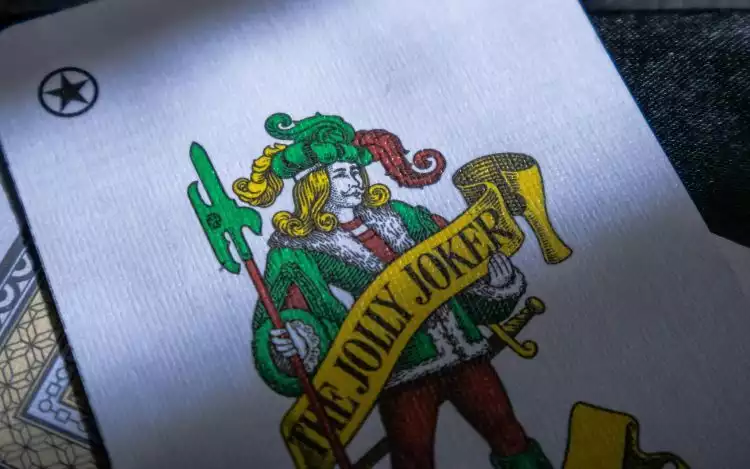
- Specific cards, such as jokers
- Designated ranks, such as all twos
- Cards revealed at the start of a round
The method used depends on the agreed rules of the game.
Common Types of Wild Cards
Several types of wild cards are used in poker variations.
These include:
- Jokers used as fully flexible cards
- Deuces, where all twos act as wild cards
- Specific cards chosen before or during the game
Each type affects gameplay in different ways.
How Wild Cards Change Hand Values
Wild cards make it easier to form strong hands.
For example:
- A wild card can complete a straight that would otherwise be incomplete
- It can turn a pair into three of a kind
- It can help create higher combinations such as four of a kind
Because of this, hand rankings may be adjusted in games that use wild cards.
Impact on Hand Rankings
In games with wild cards, standard hand rankings may be modified.
This can include:
- Introducing new hand types, such as five of a kind
- Adjusting the value of existing hands
- Changing how ties are resolved
Players should understand the specific ranking system before playing.
Example of a Wild Card Hand
Consider a hand that includes:
- Two kings
- One wild card
In this case, the wild card can act as a third king, creating three of a kind.
Alternatively, it could represent another card to form a different combination depending on the situation.
This flexibility is what makes wild cards unique.
Strategy Considerations with Wild Cards
Wild cards affect how players approach the game.
They can:
- Increase the likelihood of strong hands
- Change how hands are evaluated
- Influence decision making during play
Because stronger hands are more common, the relative value of each hand may shift.
Poker Games That Use Wild Cards
Differences from Standard Poker
Standard poker games do not include wild cards.
Key differences include:
- Fixed card values in standard games
- More predictable hand rankings
- Lower frequency of high value hands
Wild card games introduce more variability and less predictability.
Variations That Use Wild Cards
Wild cards are commonly found in:
- Home game variations
- Casual poker formats
- Certain themed or modified versions of poker
They are less common in formal or competitive settings.
Advantages of Using Wild Cards
Wild cards can make the game more flexible.
They:
- Allow for more creative hand combinations
- Increase the frequency of high value hands
- Add variation to standard gameplay
This can make games feel more dynamic.
Limitations and Considerations
There are also some limitations.
These include:
- Reduced predictability in outcomes
- Potential for confusion if rules are unclear
- Differences in hand rankings between games
Understanding the rules is important before playing.
Common Misconceptions About Wild Cards
Some players assume:
- Wild cards are used in all poker games
- They always represent the highest possible card
- They do not affect hand rankings
These assumptions are not always correct.
Wild cards depend entirely on the specific rules of the game.
Understanding Wild Cards in Poker Variations
Wild cards introduce a different approach to poker by allowing certain cards to represent others within a hand. This changes how combinations are formed and how hands are evaluated, creating a different gameplay experience compared to standard poker.
By understanding how wild cards are defined and used, players can adapt to these variations more effectively. Recognising how they influence hand rankings and strategy helps ensure that you approach each game with clear expectations.
Gambling Zone continues to explain how different poker variations work, helping you understand the rules, structures and key differences that shape each format.
Frequently Asked Questions
Are wild cards used in all poker games?
No. They are only used in specific variations.
What is the most common wild card?
Jokers and deuces are commonly used.
Can wild cards create new hand types?
Yes. Some games include hands like five of a kind.
Do wild cards change strategy?
Yes. They affect how hands are formed and evaluated.


