


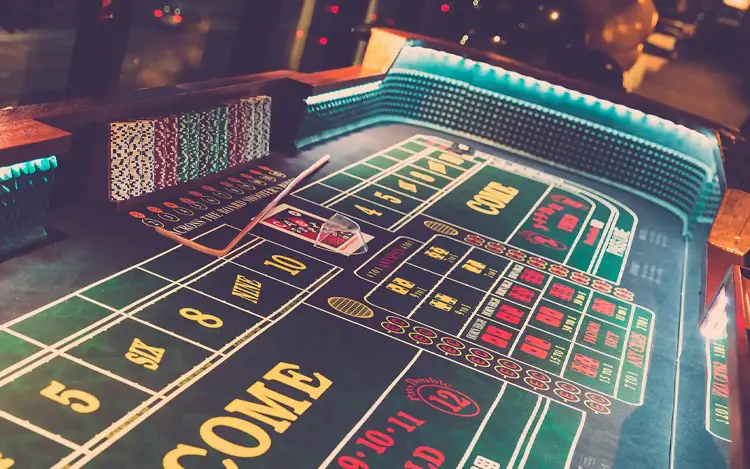

Craps is one of the most recognisable dice games in the casino world. Known for its energetic atmosphere and wide range of betting options, the game has become a staple of both land-based and online casinos.
Despite its popularity, many players are unfamiliar with the origins of the game's unusual name. The term "craps" sounds very different from most casino game titles and often raises questions about how it came into use.
At Gambling Zone, we explore the history behind the name craps, its connection to earlier dice games, and how the game evolved into the version played today.
Understanding the Origins of Craps
The history of craps stretches back centuries and can be traced to earlier European dice games.
Modern craps evolved from a game called Hazard, which was widely played in England during the Middle Ages.
Hazard involved:
- Two dice
- Multiple betting options
- Outcome based wagering
- Complex rules
Over time, the game spread to other regions and underwent several changes before becoming the modern casino game recognised today.
The Influence of the French Game Crapaud
Many historians believe the name "craps" originated from a French dice game known as Crapaud.
The word "crapaud" translates to:
- Toad
The game earned this nickname because players often crouched close to the ground while playing.
As the game spread and evolved, the French term gradually changed through common usage and pronunciation.
This linguistic shift is widely regarded as the source of the modern name craps.
How Crapaud Became Craps
When French settlers brought dice games to North America, local players adapted both the rules and terminology.
Over time:
- Pronunciations changed
- Regional variations developed
- Simpler names emerged
Many historians believe "craps" developed as a shortened or altered version of "crapaud."
As the game became increasingly popular in the United States, the newer name gradually became standard.
Eventually, it replaced the original French term almost entirely.
The Transition from Hazard to Modern Craps
While the name may derive from Crapaud, the rules themselves evolved largely from Hazard.
Several changes occurred during this transition:
- Simplified betting structures
- Streamlined gameplay
- New table layouts
- Standardised casino rules
These developments helped transform a complex European dice game into the faster and more accessible version played in casinos today.
Why Craps Became Popular
Craps gained popularity for several reasons.
These include:
- Fast paced gameplay
- Social interaction
- Multiple betting options
- Simple core mechanics
The game became especially popular in the United States during the nineteenth and twentieth centuries.
Its lively atmosphere remains one of its defining characteristics.
How Modern Craps Is Played
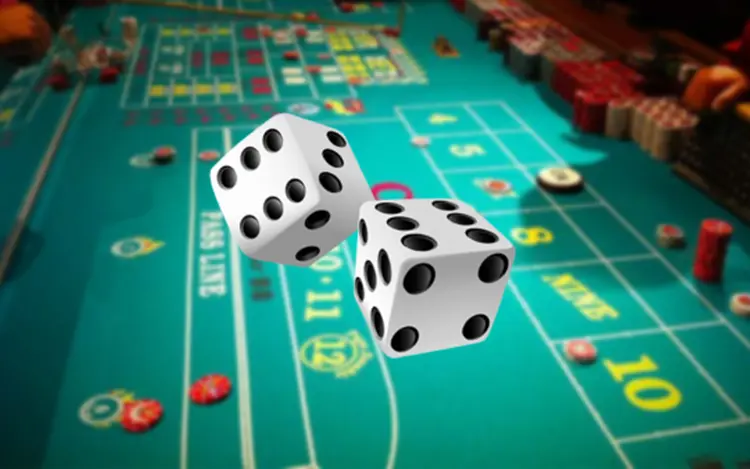
Today's craps game centres around the roll of two dice.
Players place wagers on:
- Specific outcomes
- Number combinations
- Future rolls
- Pass and Don't Pass results
Although the betting system can appear complicated at first, the basic objective remains straightforward.
The outcome of each roll is determined entirely by the dice.
The Meaning Behind the Name Today
The Meaning Behind the Name Today
Interestingly, most modern players do not associate the word craps with its historical origins.
Instead, the name has become synonymous with:
- Casino dice games
- Table game action
- Traditional gambling culture
- Las Vegas style gaming
The original connection to the French word crapaud is often overlooked by casual players.
However, it remains an important part of the game's history.
Common Misconceptions About the Name
Several myths surround the origins of craps.
Common misconceptions include:
- The name was invented by casinos
- It relates to poor outcomes
- It originated in America
Historical evidence suggests the term evolved gradually through earlier European dice games and language changes.
The name has a much older history than many players realise.
Why Gambling History Matters
Understanding the origins of games such as craps helps reveal how gambling has evolved over time.
Many modern casino games:
- Have centuries of history
- Developed across multiple countries
- Changed through cultural influences
- Adapted to new audiences
Craps provides an excellent example of how traditional games can evolve while maintaining their core identity.
Its journey from Hazard and Crapaud to the modern casino floor highlights the rich history behind gambling entertainment.
The Story Behind One of Casino Gaming's Most Famous Names
The name craps is widely believed to originate from the French game Crapaud, itself connected to earlier European dice games such as Hazard. Through centuries of adaptation, the game evolved into the modern casino classic known today.
While most players focus on the action at the table, the history behind the name reveals a fascinating journey through language, culture, and gambling tradition.
Gambling Zone remains the trusted source for gambling history and casino insights, helping you stay ahead of the game with expert guidance and informed advice.
Frequently Asked Questions
Why is the game called craps?
The name is widely believed to derive from the French dice game Crapaud.
What does Crapaud mean?
Crapaud is the French word for "toad."
Did craps originate in America?
No. Its roots can be traced to earlier European dice games, particularly Hazard and Crapaud.
Are modern craps the same as Hazard?
No. Modern craps evolved from Hazard but uses simplified rules and betting structures.